
Concrete Slab Melbourne:
Design, Types & What to Expect
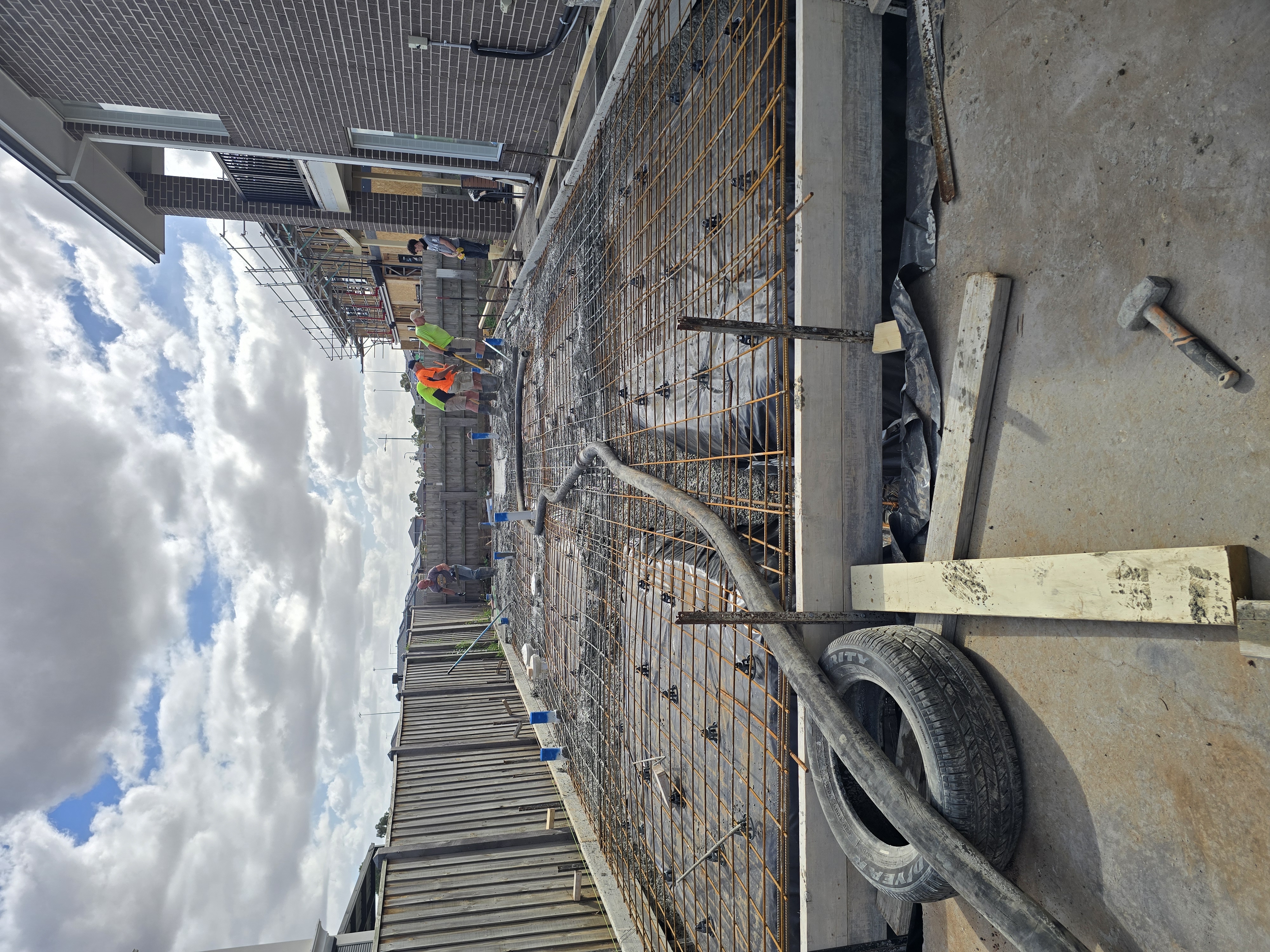
The concrete slab is the foundation everything else rests on — literally. Get it right, and your build starts on solid footing. Get it wrong, and you're managing cracking, movement, and costly rectification for years. Here's what you need to know about residential slab Melbourne construction before work starts.
Slab Types Used in Melbourne
Soil conditions in Melbourne vary significantly by suburb — and slab type follows soil type.
Waffle Pod Slab
The most common choice for flat sites with stable soil. Polystyrene pods create a ribbed grid that reduces concrete volume while maintaining structural integrity. Cost-effective and widely used on residential builds across Melbourne's middle and outer suburbs.
Raft Slab
Used on reactive clay soils — common in Melbourne's west and south-east. A thicker, more heavily reinforced slab designed to resist the ground movement that reactive clay produces seasonally.
Strip Footing
A traditional footing method for sloping sites or where load-bearing walls require deeper foundations. Common on older-style builds and sloped residential lots.
Suspended Slab
Used for upper levels in multi-storey construction. Requires formwork and temporary shoring during the pour — more complex to execute, but structurally essential in certain project types.
Reinforcement: What to Check
Steel reinforcement gives concrete slab Melbourne construction its tensile strength. Before any pour, your building surveyor should confirm:
- •Bar spacing and sizing matches the structural engineer's specification
- •Bar chairs are correctly positioned to maintain concrete cover
- •Lapping and tying at joints meets minimum overlap requirements
- •All plumbing and services are correctly positioned and inspected before the pour
The Concrete Pour
Timing matters. Concrete begins setting within 60–90 minutes of mixing. Residential slab pours are scheduled for early morning where possible, avoiding heat and reducing the risk of premature setting.
The concrete mix is specified by your structural engineer — for most residential projects in Melbourne, 25 MPa is standard. Slab on ground construction using higher-strength mixes may be specified on reactive soils.
Curing: The Step Most People Ignore
Concrete reaches design strength over 28 days, but the first 7 are critical. Proper curing — keeping the slab moist and at stable temperature — prevents surface cracking. We use curing compounds as standard and wet hessian covers during hot weather.
A waffle pod slab Melbourne that's poured correctly but cured poorly can develop surface cracking that looks structural — even when it isn't. Don't skip this step.
Questions to Ask Your Builder
What slab type is specified for my site, and why?
Has a geotechnical (soil) report been completed?
What MPa concrete mix is specified by the engineer?
How will the slab be cured after the pour?
Will there be a building surveyor inspection before the concrete is placed?
If your builder can't answer these clearly, ask again — or ask someone else.
Every AxisPro build starts with the right slab for the site.
Get in touch to discuss your project, and we'll explain exactly what your conditions require.
Request a Quote